
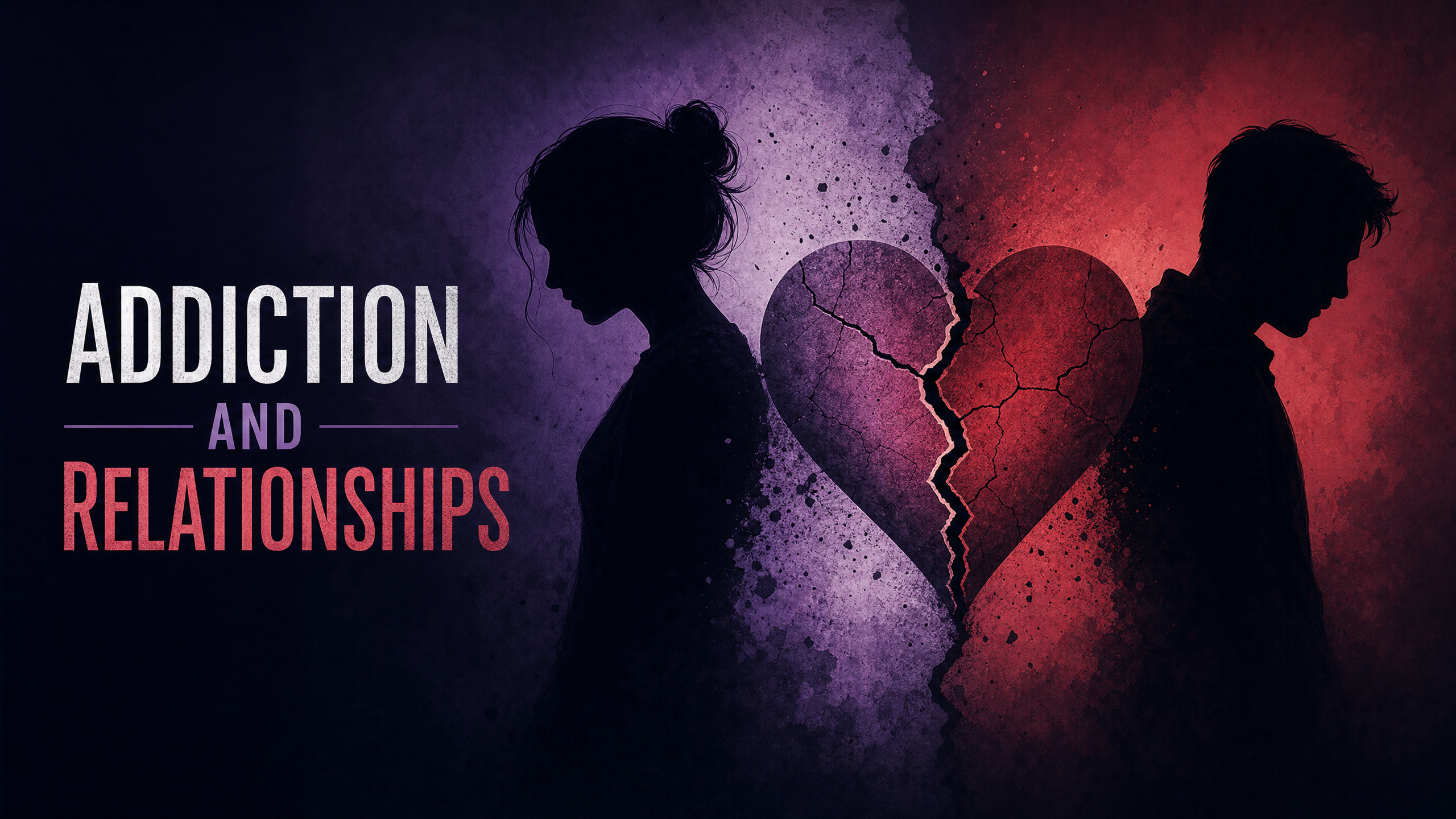
Porn use can become a relationship concern when it starts affecting intimacy, trust, communication, sexual satisfaction, or a person’s ability to control the behavior. However, not everyone who watches pornography has an addiction, and relationship problems can have many causes.
If pornography has become difficult to control or is creating conflict with your partner, understanding the patterns behind it can help. This guide explains how problematic porn use may affect relationships, the signs to watch for, and practical ways couples can move forward.
Can Porn Addiction Affect a Relationship?
It can, particularly when pornography use becomes compulsive, secretive, or interferes with everyday life and intimacy.
The problem is often not pornography alone. Secrecy, broken agreements, reduced communication, comparisons, and emotional distance can all create tension between partners.
Research also suggests that the relationship between pornography use and relationship quality is more complicated than a simple cause-and-effect explanation. A 2024 study of couples, for example, found that when one partner’s solitary pornography use was unknown to the other partner, it was associated with lower same-day relationship satisfaction and intimacy.
Every relationship is different, so the effects are not the same for everyone.
5 Ways Problematic Porn Use Can Affect Relationships
1. Reduced Intimacy or Sexual Satisfaction
Some people report changes in sexual desire, arousal, or satisfaction when pornography becomes a frequent or problematic part of their sexual habits.
For some couples, the issue may involve less interest in partnered intimacy. Others may experience comparisons, performance concerns, or difficulty staying present during sex.
Research does not show that pornography automatically causes sexual problems. A 2024 systematic review and meta-analysis of 41 studies found a small negative association between pornography use and sexual satisfaction, but results varied across studies and populations.
If you are experiencing ongoing sexual difficulties, other factors such as stress, anxiety, medication, physical health, and relationship conflict should also be considered.
2. Secrecy Can Damage Trust
Secrecy can become more damaging than the pornography itself.
Repeatedly hiding viewing habits, deleting browser history, lying about use, or breaking agreements can make a partner question what else they do not know.
Trust usually depends on consistent and honest behavior. When promises are repeatedly broken, rebuilding that trust can take time.
3. It May Create Comparisons and Unrealistic Expectations
Pornography is produced for entertainment rather than to represent everyday relationships.
Frequent exposure may influence how some people think about appearance, sexual performance, body types, or what sex should look like. Comparing a real partner with performers or scripted content can create dissatisfaction or pressure.
Healthy intimacy, however, also involves communication, consent, vulnerability, and emotional connection.
For more information about the potential effects of pornography on the brain, read our guide on How Porn Affects Your Brain.
4. Emotional Distance Can Increase
Pornography may become a way for some people to cope with boredom, loneliness, stress, or difficult emotions.
If someone repeatedly turns to pornography instead of communicating with their partner, spending time together, or addressing the underlying problem, emotional distance may grow.
The pattern can become:
Stress or conflict → pornography use → secrecy or withdrawal → relationship tension → more stress
Breaking that cycle means addressing both the behavior and the situations that trigger it.
If pornography has also become connected with low mood or emotional struggles, our guide on Porn and Depression provides more information.
5. Repeated Conflict Can Strain the Relationship
Partners may disagree about pornography, boundaries, frequency, or what counts as a betrayal.
Arguments can become especially difficult when one partner wants change while the other does not believe there is a problem.
Instead of focusing only on how often pornography is used, couples can discuss whether the behavior is causing distress, breaking agreed boundaries, or interfering with the relationship.
Signs Porn Use May Be Affecting Your Relationship
If You Are the Person Using Porn
- You repeatedly try to reduce or stop but struggle to do so.
- You hide your pornography use from your partner.
- You break agreements about pornography.
- You choose pornography over important responsibilities or intimacy.
- You continue using it despite relationship problems.
- You use pornography mainly to cope with stress, loneliness, or difficult emotions.
If You Are the Partner
- You feel that your partner is becoming emotionally distant.
- You have noticed repeated secrecy around devices or internet use.
- Intimacy or sexual communication has changed.
- Your partner repeatedly breaks agreements about pornography.
- Arguments about pornography are becoming frequent.
- You feel distressed or unsure about how to rebuild trust.
These signs do not prove that someone has an addiction. They indicate that the behavior may be affecting the relationship and deserves an honest conversation.
For a more detailed look at problematic patterns, read our guide on Signs of Porn Addiction.
Is Porn Addiction a Medical Diagnosis?
“Porn addiction” is a common term, but it should not be used as a diagnosis simply because someone watches pornography frequently.
Researchers may use terms such as problematic pornography use (PPU) or compulsive sexual behavior when discussing difficulties with control and negative consequences.
The World Health Organization’s ICD-11 includes Compulsive Sexual Behaviour Disorder (CSBD) as a condition involving persistent difficulty controlling repetitive sexual behavior that results in significant distress or impairment.
This does not mean that everyone who watches pornography has CSBD. A qualified professional should assess the overall pattern, level of control, distress, and impact on daily life.
How to Repair a Relationship Affected by Porn Use
1. Have an Honest Conversation
Choose a calm time to discuss what is happening. Talk about the behavior, its impact, and what each person needs going forward. Avoid minimizing your partner’s feelings or turning the conversation into blame.
2. Set Clear Boundaries
Couples may need to discuss boundaries around pornography, private devices, social media, or other triggers.
Boundaries should be specific and mutually understood rather than based on assumptions.
3. Reduce Easy Access to Pornography
If someone is trying to reduce problematic pornography use, changing the digital environment can make the process easier.
A content blocker such as BlockerPlus can provide an additional barrier against adult websites and help reduce easy access on Android devices.
It is a support tool, not a replacement for therapy or professional treatment.
4. Identify Triggers
Pay attention to when urges usually appear.
Common triggers can include:
- Stress
- Boredom
- Loneliness
- Relationship conflict
- Late-night phone use
- Social media
- Being alone
Once you understand the pattern, you can prepare an alternative response such as exercising, calling someone, leaving the room, or putting your phone away.
If you want more practical strategies for reducing pornography use, read How to Stop Watching Porn.
5. Consider Professional Support
Individual therapy can help someone understand compulsive behaviors and their triggers. Couples counseling may also help partners communicate, establish boundaries, and work through relationship conflict.
Research into treatments for problematic pornography use is still developing. A systematic review found some promising psychological approaches, particularly cognitive behavioral approaches, but also noted that the overall evidence base has important limitations.
How Partners Can Protect Their Own Well-Being
If you are the partner affected by someone’s pornography use, you do not have to ignore your own feelings.
You can:
- Set boundaries that are clear and realistic.
- Seek individual support if you are struggling.
- Avoid taking responsibility for another person’s behavior.
- Give yourself time to process what happened.
- Decide what changes you need to feel safe and respected.
- Consider couples counseling if both partners are willing.
You also do not have to make an immediate decision about the future of the relationship. Give yourself space to understand the situation and your own needs.
What Does Research Say About Porn and Relationships?
Research does not support the simple idea that pornography automatically destroys every relationship.
Studies have found associations between pornography use, sexual satisfaction, intimacy, and relationship quality, but results can vary depending on factors such as frequency of use, problematic use, whether the partner knows about the behavior, and the characteristics of the relationship.
A 2023 randomized controlled study also found no significant overall withdrawal-related effects after seven days of pornography abstinence among its sample of regular pornography users. Exploratory findings suggested that craving may be more noticeable when high problematic use occurs alongside daily pornography use, but those findings require further research.
The more useful question is often:
Is this behavior causing loss of control, distress, conflict, secrecy, or problems with intimacy?
If the answer is yes, addressing the behavior and its underlying triggers may help.
When Should You Seek Professional Help?
Consider speaking with a qualified professional if:
- You repeatedly try to stop or reduce pornography use without success.
- Pornography is interfering with your relationship or daily responsibilities.
- You experience significant distress about your behavior.
- You and your partner cannot resolve repeated conflicts about pornography.
- Sexual difficulties are causing ongoing concern.
- Secrecy or broken agreements have seriously damaged trust.
A therapist or healthcare professional can help assess the situation without relying on online labels or self-diagnosis.
Practical Steps You Can Start Today
If you want to change your pornography habits, start with manageable steps.
Today
- Identify your most common triggers.
- Remove saved adult content and obvious sources of temptation.
- Add a content blocker if access is a major problem.
- Tell a trusted person or professional if you need accountability.
This Week
- Create a plan for dealing with urges.
- Replace high-risk routines with healthier activities.
- Have an honest conversation with your partner if appropriate.
- Consider scheduling professional support.
Going Forward
- Track patterns rather than obsessing over a perfect streak.
- Keep communication open.
- Review your boundaries regularly.
- Treat setbacks as information about your triggers rather than as proof that change is impossible.
Final Thoughts
Pornography does not affect every relationship in the same way. The bigger concern is whether its use has become difficult to control or is contributing to secrecy, conflict, emotional distance, or problems with intimacy.
If that is happening, change usually takes more than simply promising to stop. Understanding triggers, setting boundaries, reducing access, communicating honestly, and getting professional support when needed can help.
For people who want an additional barrier against adult content, BlockerPlus can help reduce access on Android devices while you work on the underlying habits and relationship issues.
Related Articles
- How to Stop Watching Porn: Complete Guide
- Best Porn Blockers for Android 2026
- BlockerPlus vs BlockerX
Frequently Asked Questions
1. Can pornography cause relationship problems?
Pornography can contribute to relationship problems for some couples, particularly when use becomes problematic, secretive, or conflicts with mutually agreed boundaries. However, it is not automatically the cause of relationship difficulties.
2. Does watching porn mean someone is addicted?
No. Pornography use alone does not establish an addiction. Concerns are more relevant when someone has difficulty controlling the behavior and it causes significant distress or problems in daily life or relationships.
3. Can a relationship recover from problematic porn use?
Yes, some couples are able to rebuild trust and intimacy. Recovery may involve honest communication, clear boundaries, behavioral changes, and professional support when needed.
4. Does porn use mean my partner is no longer attracted to me?
Not necessarily. Pornography use can have many motivations, including habit, boredom, stress, or coping. It should not automatically be interpreted as a judgment about a partner’s attractiveness.
5. Should couples go to therapy because of porn use?
Therapy can be useful when pornography is causing repeated conflict, loss of trust, distress, or difficulty changing the behavior. Individual or couples therapy may be appropriate depending on the situation.
6. How can I stop pornography from affecting my relationship?
Start by identifying triggers, reducing easy access, communicating honestly, setting clear boundaries, and replacing the habit with healthier activities. Professional support can also help when changing the behavior alone is difficult.

Related Articles
BlockerPlus blocks content, tracks your streak, and keeps you accountable, free on Android & iOS.
Download Free