
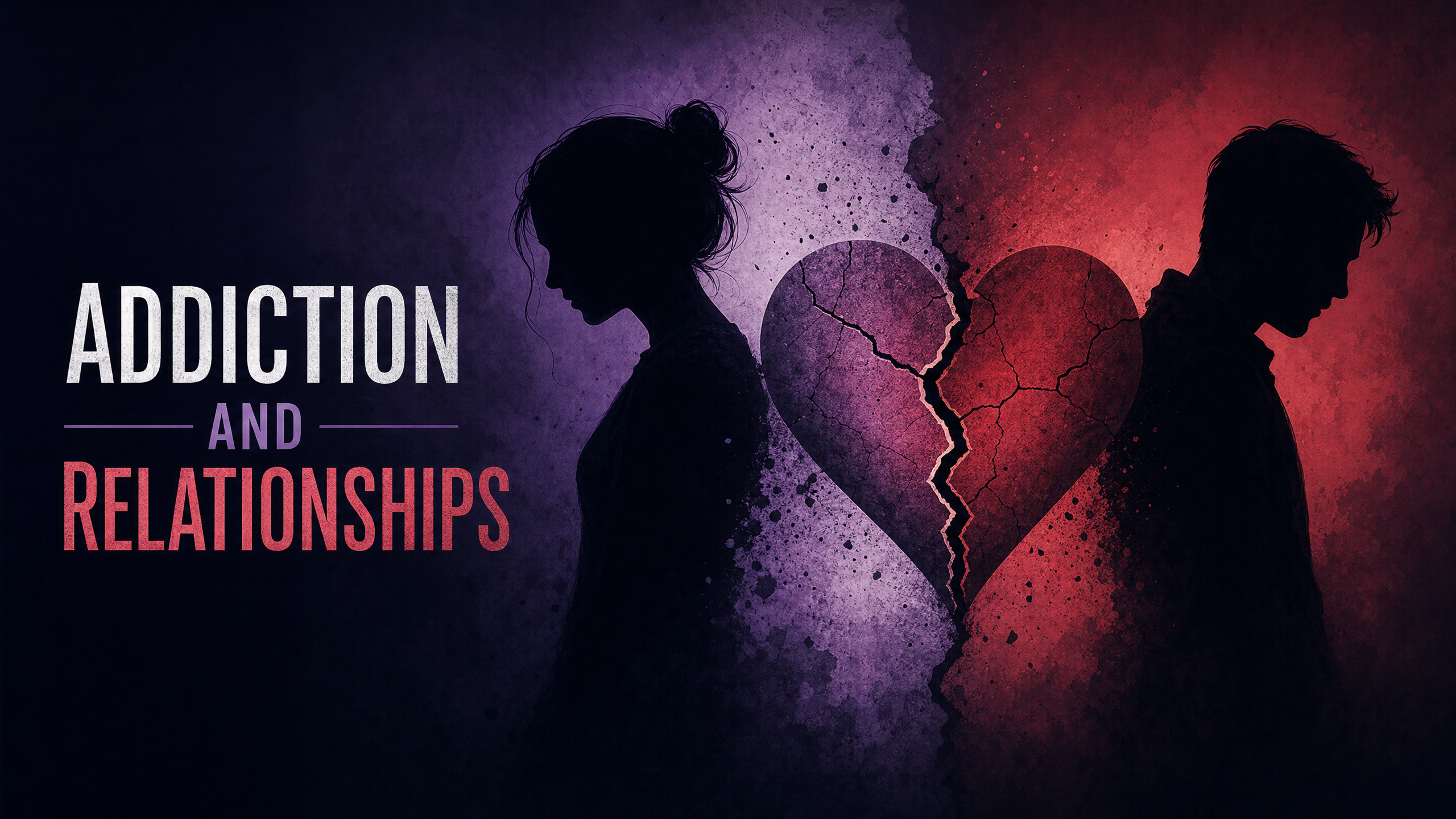
When your boyfriend is addicted to porn, it’s easy to feel hurt, confused, angry, or even question your own worth. You may wonder whether it’s your fault, if he still loves you, or whether your relationship can survive.
The truth is that compulsive pornography use can damage trust, intimacy, and emotional connection, but it doesn’t define your value or automatically mean the relationship is over. Understanding what’s happening is the first step toward making informed decisions instead of reacting from fear or self-blame.
This guide explains the signs of porn addiction, why it happens, how to talk to your boyfriend with honesty and empathy, the treatment and recovery options available, and how to protect your own emotional well-being throughout the process.
You’re Not Crazy, and You’re Not Alone
If your boyfriend is addicted to porn, you’re probably feeling hurt, confused, or questioning yourself. Maybe you’ve noticed him becoming distant, your intimacy has changed, or you accidentally found explicit content on his phone.
Your feelings are valid. You’re not overreacting. Compulsive porn use can damage trust, intimacy, and emotional connection, leaving partners with feelings of betrayal and insecurity.
You’re also not alone. Millions of people face this challenge, and many search for answers every day. The good news is that recovery is possible but it starts with understanding what’s really happening.
Why Does He Keep Watching? (It’s Not About You)
This is the hardest part to accept: his porn use is not a statement about your attractiveness, your worth, or your relationship.
Porn addiction works like any other compulsion. Repeated exposure floods the brain with dopamine. Over time, the brain builds tolerance, meaning he needs more extreme content just to feel the same hit.
Here’s what most people don’t realize: it’s the same dopamine pathway hijacked by gambling, drugs, and social media addiction. The prefrontal cortex, the part of the brain responsible for impulse control, literally weakens with chronic use.
That’s why “just stop” doesn’t work. His brain is fighting against him.
Is Watching Porn Always an Addiction?
No. Watching porn occasionally does not automatically mean someone is addicted. The difference lies in whether the behavior is compulsive and begins to interfere with daily life, relationships, or responsibilities.
Porn use may be a sign of addiction if a person:
- Can’t stop despite wanting to quit.
- Needs more frequent or extreme content to feel the same level of excitement.
- Hides or lies about their porn use.
- Chooses porn over intimacy with their partner.
- Continues using it despite negative consequences in their relationship, work, or mental health.
If your boyfriend shows several of these signs, it’s more likely you’re dealing with compulsive porn use rather than casual viewing. Understanding the difference can help you decide whether it’s time to have an honest conversation and encourage professional support.
Signs Your Boyfriend Is Addicted to Porn
Not sure if it’s actually an addiction? Look for these patterns:
- Phone secrecy: He tilts the screen away, uses private browsing, or has apps you don’t recognize.
- Intimacy changes: Less interest in sex with you, or suddenly wanting to try things that feel out of character.
- Emotional withdrawal: He’s physically present but checked out. Conversations feel shallow.
- Late-night screen time: Stays up after you fall asleep, always “on his phone.”
- Irritability when confronted: Gets angry or defensive if you bring up his phone habits.
- Broken promises: Says he’ll stop, does it again. Classic addiction cycle.
If three or more of these ring true, you’re likely dealing with a compulsive pattern, not casual use. Our full checklist at signs of porn addiction goes deeper.
How to Talk to Him About It
Bringing up your boyfriend’s porn addiction isn’t easy, but avoiding the conversation usually makes things worse. Choose a time when you’re both calm, free from distractions, and ready to listen.
Here’s how to approach the conversation:
- Choose the right time: Don’t bring it up during an argument or immediately after discovering it. Wait until emotions have settled.
- Speak honestly about your feelings: Use “I” statements like “I feel hurt and disconnected” instead of blame or criticism.
- Share what you know: Explain what you found and how it affected you. Stick to the facts and avoid making assumptions.
- Listen to his response: Pay attention to whether he takes responsibility, shows empathy, and is willing to have an honest conversation.
- Focus on solutions: If he’s ready to change, discuss practical next steps such as therapy, an accountability partner, or a porn blocker to support recovery.
Remember, the goal isn’t to shame or punish him it’s to understand whether he’s willing to acknowledge the problem and take meaningful steps toward change. His actions in the weeks ahead will matter far more than promises made in the moment.
What Recovery Actually Looks Like
If your boyfriend recognizes the problem and is committed to changing, recovery is possible but it takes more than good intentions. Lasting change comes from building healthy habits, creating accountability, and reducing opportunities to relapse.
A strong recovery plan often includes:
- A porn blocker: Tools like BlockerPlus can block adult content across browsers and apps, helping reduce temptation and support healthier habits.
- An accountability partner: A trusted friend, mentor, or therapist who provides encouragement and regular check-ins.
- Professional therapy: Approaches like Cognitive Behavioral Therapy (CBT) can help identify triggers, build healthier coping strategies, and break compulsive behaviors.
- Lifestyle changes: Keep phones out of the bedroom, avoid late-night screen time, and replace old habits with healthier routines like exercise, reading, or meditation.
The goal isn’t to rely on willpower alone. Combining practical tools, professional support, and consistent daily habits gives recovery the best chance of long-term success.
Protecting Yourself Through This
Let me explain: this section matters just as much as everything above. You are not his therapist, and fixing him is not your job.
While he works on recovery, you need your own support system:
- Talk to someone: A therapist, a trusted friend, a support group like S-Anon (for partners of sex addicts).
- Set clear boundaries: What’s acceptable? What’s a dealbreaker? Write it down.
- Don’t monitor him 24/7: That’s not a relationship. BlockerPlus handles the blocking so you don’t have to play detective.
- Know your worth: His addiction is not your failure. You didn’t cause it, and you can’t cure it.
When to Stay vs. When to Walk Away
This is the question nobody can answer for you. But here’s a framework.
Signs he’s genuinely trying:
- Installed a blocker (BlockerPlus) without you nagging.
- Started therapy or joined a support group.
- Is transparent: hands over his phone, shares his struggles.
- Takes responsibility without blaming you.
Signs it’s time to protect yourself:
- He lies about it repeatedly.
- He says you’re “overreacting” or “controlling.”
- He refuses any form of help or accountability.
- The porn use is escalating into unsafe behavior.
Your relationship is not a rehabilitation center. Love him enough to tell the truth, but love yourself enough to leave if nothing changes.
Your Next Steps
You’ve read this far because you care. That matters. Here’s what to do today:
- Have the conversation: calm, specific, honest.
- Send him BlockerPlus: if he’s serious about quitting, he’ll install it.
- Get your own support: therapist, friend, our guide on porn and relationships.
- Read more: How to Stop Watching Porn is a great resource to share with him.
You didn’t cause this. You can’t control it. But you can decide what happens next.
Conclusion
If your boyfriend is addicted to porn, remember that you’re not alone, and your feelings are completely valid. While compulsive porn use can damage trust and intimacy, recovery is possible when there’s honesty, accountability, professional support, and a genuine commitment to change. At the same time, don’t forget to protect your own emotional well-being. Set healthy boundaries, seek support when you need it, and never blame yourself for someone else’s addiction. Whether you choose to stay and work through recovery or move on, you deserve a relationship built on trust, respect, honesty, and genuine emotional connection.
H2: Frequently Asked Questions:
1. Is his porn use a reflection of me or our relationship?
No, it is not a statement about your attractiveness, your worth, or your relationship. Porn addiction hijacks the same dopamine pathway as gambling or drugs and weakens the prefrontal cortex that controls impulses, so his brain is fighting against him.
2. Is it normal to feel this hurt after finding out?
Yes, your feelings are valid. A partner’s compulsive porn use creates genuine betrayal trauma, and the article notes that many partners meet the criteria for PTSD, so you are not overreacting and you are far from alone.
3. How do I know if it is a real addiction and not casual use?
Look for patterns like secretive or defensive phone use, dropping intimacy, emotional withdrawal, late-night screen time, and repeated broken promises to stop. If three or more ring true, you are likely dealing with a compulsive pattern rather than casual use.
4. What is the best way to bring it up with him?
Pick a calm moment, not during a fight or right after discovery, and use “I” statements like “I feel hurt and disconnected.” Name specifically what you found, do not accept excuses like “every guy does it,” and offer a path forward instead of an ultimatum with no direction.
5. What does real recovery look like if he wants to change?
It takes more than promises: a porn blocker on every device, an accountability partner, therapy such as CBT, and environment changes like keeping the phone out of the bedroom. Since willpower alone rarely lasts, a system-wide blocker like BlockerPlus can put a barrier between the urge and the action.

Related Articles
BlockerPlus blocks content, tracks your streak, and keeps you accountable, free on Android & iOS.
Download Free