
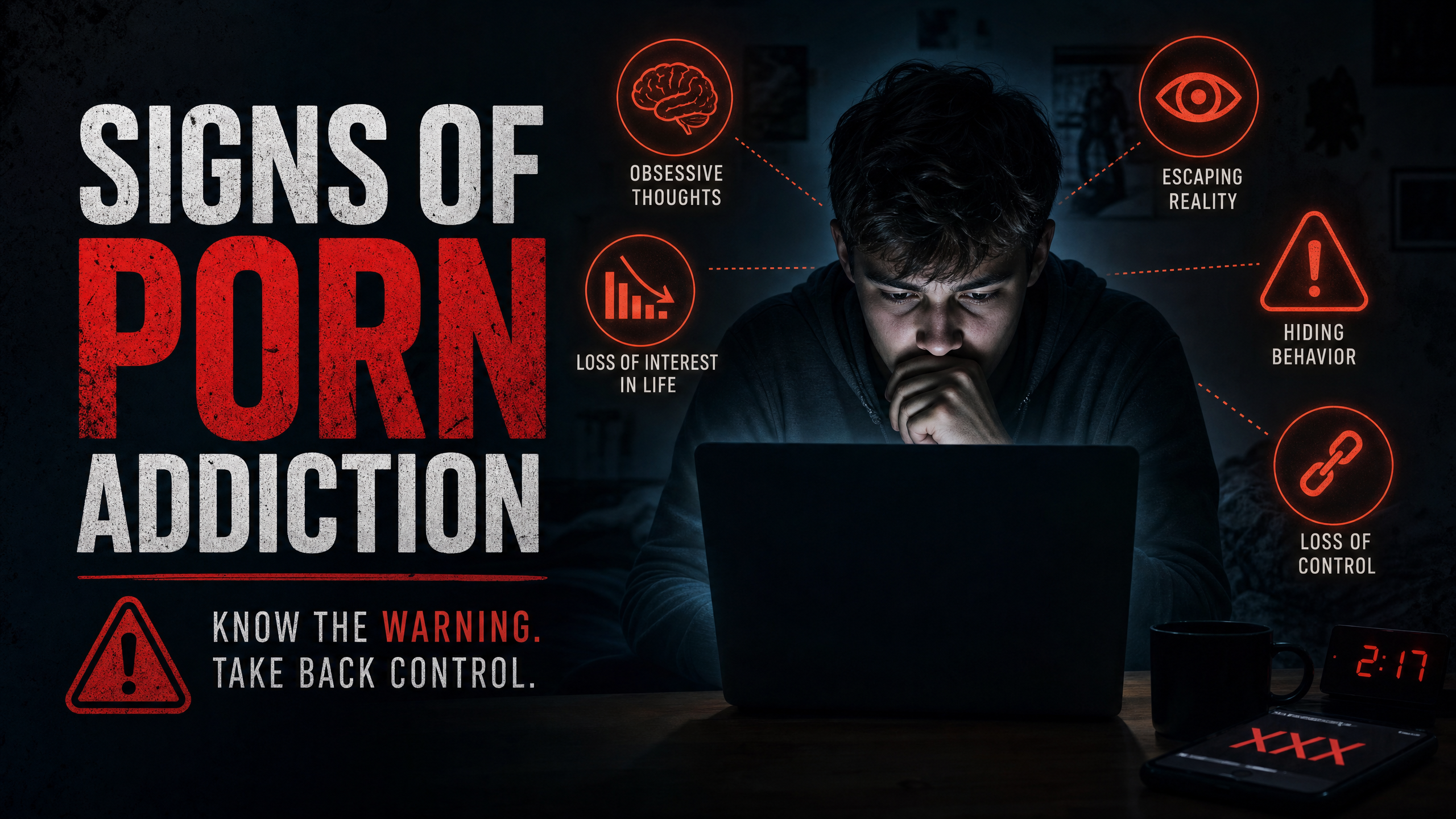
If you’ve spent any time on NoFap forums, Reddit’s r/NoFap, or online recovery communities, you’ve probably come across the term “PMO.”
But what does PMO actually mean? And when can this pattern become difficult to control?
For some people, pornography and masturbation can become part of a repetitive habit that starts affecting focus, routines, relationships, or overall well-being. Understanding the pattern and recognizing when it becomes difficult to manage can help you decide what changes may be right for you.
In this guide, we’ll explain what PMO means, when it may become a problem, the signs to look for, its possible effects, and practical ways to regain control.
What Does PMO Stand For?
PMO stands for Pornography, Masturbation, and Orgasm. The term is commonly used in the NoFap community and other online recovery communities when discussing pornography and masturbation habits.
The pattern can look different from person to person. For some, pornography may be the main part of the habit, while others may associate pornography, masturbation, and orgasm as one repeated cycle.
Common triggers can include boredom, stress, loneliness, emotional discomfort, staying up late, or having easy access to sexual content.
Is PMO Addiction a Medical Diagnosis?
No. “PMO addiction” is not the name of a standalone medical diagnosis.
One relevant clinical condition is Compulsive Sexual Behavior Disorder (CSBD), which is included in the World Health Organization’s ICD-11 as an impulse-control disorder. Researchers also use the term Problematic Pornography Use (PPU) to describe pornography use associated with problems such as impaired control, distress, or negative consequences.
Using pornography frequently does not automatically mean that someone has a disorder. What matters more is whether the behavior is difficult to control and causes significant problems in a person’s life.
Distress can also have different causes. For some people, pornography use may conflict with their personal or moral values, which can contribute to distress without necessarily indicating compulsive sexual behavior.
If you are concerned about your behavior, a qualified mental health professional can help assess the situation.
Signs of Problematic PMO Use
There is no simple checklist that can diagnose an addiction. Instead, pay attention to how the behavior affects your ability to control your actions and manage everyday responsibilities.
Common signs can include:
1. Difficulty Controlling the Behavior
You repeatedly decide to stop or cut back but return to the behavior despite wanting to change.
2. Spending Too Much Time on It
Pornography or related sexual behavior takes time away from sleep, work, study, hobbies, relationships, or other priorities.
3. Continuing Despite Problems
You continue the behavior even after noticing negative effects on relationships, responsibilities, sleep, finances, or emotional well-being.
4. Using It to Cope With Emotions
You repeatedly turn to pornography or masturbation when dealing with stress, loneliness, boredom, anxiety, or emotional discomfort.
5. Increasing Preoccupation
Sexual thoughts, urges, or pornography become difficult to put aside when you need to focus on other parts of life.
Why Is PMO So Addictive?
PMO can become difficult to control when it turns into a repeated habit linked to certain triggers, emotions, and routines. The more often the pattern is repeated, the more familiar and automatic it can become.
Here are some factors that can make the behavior harder to change:
1. Repetition and Habit
When pornography, masturbation, and orgasm are repeatedly connected with certain situations, the behavior can become part of an automatic routine. Over time, familiar triggers may bring back urges even when you genuinely want to stop.
2. Strong Cravings and Urges
Some people experience strong sexual urges when they try to change their pornography or masturbation habits. Triggers can include stress, boredom, loneliness, emotional discomfort, or easy access to sexual content.
You can learn more about common experiences people report when stopping pornography and masturbation in our guide to NoFap withdrawal symptoms.
3. Difficulty Controlling the Behavior
One of the clearest signs that a behavior may have become problematic is difficulty controlling it. You may decide to stop or cut back but repeatedly return to the behavior despite wanting to change.
This does not mean you are weak. If PMO is becoming difficult to control or is affecting your daily life, relationships, or well-being, practical changes and professional support can help.
What Can Problematic PMO Use Affect?
Not everyone who uses pornography experiences negative effects. Concerns become more relevant when the behavior is difficult to control or interferes with other areas of life.
Mental and Emotional Well-Being
Some people report distress, guilt, anxiety, frustration, or difficulty concentrating in connection with problematic pornography use. These experiences can have different causes and should not automatically be attributed to pornography alone.
Relationships
Problematic sexual behavior can contribute to secrecy, conflict, or reduced trust when it interferes with a relationship or continues despite agreed boundaries with a partner.
Sexual Functioning
Some people with problematic pornography use report sexual difficulties. However, sexual problems can have many physical, psychological, relationship, and medical causes.
If you experience persistent sexual difficulties, speak with a qualified healthcare professional rather than assuming pornography is the only cause.
Work, Study, and Daily Responsibilities
The behavior can become a practical concern when it repeatedly takes time away from responsibilities or disrupts sleep, routines, concentration, or relationships.
PMO vs. Porn Addiction vs. NoFap
These terms are often used interchangeably online, but they have different meanings.
| Term | Meaning |
| PMO | Pornography, Masturbation, and Orgasm |
| Problematic Pornography Use (PPU) | A research term for pornography use associated with problems such as impaired control, distress, or negative consequences |
| Compulsive Sexual Behavior Disorder (CSBD) | A clinical diagnosis involving persistent difficulty controlling repetitive sexual behavior that results in significant impairment or distress |
| NoFap | An online community and abstinence-oriented practice that may involve avoiding pornography, masturbation, or both |
NoFap is not a medical treatment or diagnosis, and PMO is a descriptive term rather than a clinical diagnosis.
How to Stop Compulsive PMO Use
If you want to change your PMO or pornography habits, focus on the situations that keep the behavior going rather than relying only on willpower.
1. Identify Your Triggers
Notice when the behavior usually happens. Common triggers include:
- Boredom
- Stress
- Loneliness
- Staying up late
- Being alone with a phone
- Emotional discomfort
- Unstructured free time
- Certain websites, apps, or social media content
Start with the two or three triggers that appear most often.
2. Reduce Easy Access to Pornography
If pornography is a major trigger, reducing easy access can make it easier to interrupt the pattern.
You can:
- Use website and content blockers
- Remove saved material
- Unfollow triggering accounts
- Keep your phone away from your bed
- Use safer browsing settings
- Avoid browsing alone during high-risk times
A content blocker such as BlockerPlus can provide an additional barrier by blocking adult websites and reducing easy access to common triggers.
3. Change Your Routine
If you usually follow the same routine before PMO, change part of it.
For example, if late-night phone use is a trigger, charge your phone away from your bed and use that time for reading, stretching, journaling, or another activity.
4. Find Healthier Ways to Handle Stress and Boredom
If pornography or masturbation has become a way to deal with uncomfortable emotions, try building other responses.
Possible alternatives include:
- Exercise
- Walking
- Talking to a friend
- Journaling
- Meditation or breathing exercises
- Creative hobbies
- Learning a skill
- Spending time outside
- Getting enough sleep
The goal is to build several healthier ways to respond when an urge appears.
5. Track Patterns, Not Just Streaks
Instead of focusing only on a streak, track:
- When urges happen
- What triggered them
- How you responded
- What helped
- What made the situation harder
This can help you understand the behavior and learn from setbacks.
6. Build Accountability
Some people find it easier to make changes with support from:
- A trusted friend
- A partner
- An accountability partner
- A therapist or counselor
- A support group
Choose someone who respects your privacy and helps you focus on practical change rather than shame.
7. Consider Professional Support
If you repeatedly struggle to control the behavior or it is affecting important areas of your life, consider speaking with a qualified mental health professional.
Research has examined psychological approaches such as cognitive behavioral therapy for problematic pornography use and CSBD. Evidence suggests psychotherapy can help some people, although research is still developing and treatment is not one-size-fits-all.
What Does PMO Recovery Look Like?
Recovery does not follow one universal timeline. You may notice changes in different areas at different times. Some people first become more aware of their triggers, while others gradually spend less time on pornography or become better at responding to urges.
| Stage | What You May Notice |
| Getting started | More awareness of triggers and patterns |
| Changing routines | Fewer automatic opportunities to engage in the behavior |
| Building new habits | Better ways to handle common triggers |
| Longer-term progress | Greater control and fewer unwanted behaviors |
| Setbacks | A lapse without losing all previous progress |
There is no scientifically established universal 30-, 60-, or 90-day brain-reset timeline that everyone follows.
Online communities often discuss 30-day or 90-day challenges, but recovery is better understood as an individual process rather than a fixed countdown.
What If You Relapse?
A setback does not mean that you have failed.
Instead, look at what happened before the behavior:
- What triggered the urge?
- What emotion were you experiencing?
- What device or environment was involved?
- Were you tired, stressed, lonely, or bored?
- What could you change next time?
Reviewing a setback can help you identify patterns and make your next attempt more informed.
When Should You Seek Professional Help?
Consider speaking with a qualified mental health professional if:
- You repeatedly try to stop but cannot control the behavior
- It interferes with work, study, sleep, or relationships
- You experience significant or persistent distress
- The behavior is becoming increasingly difficult to manage
- You rely on it as your main way of coping with emotional problems
- You have ongoing sexual, relationship, or mental health concerns
You do not need to diagnose yourself before asking for help.
How Can BlockerPlus Help With PMO?
If pornography access is one of your main triggers, a blocker can create an extra barrier between an urge and the behavior.
BlockerPlus can help users:
- Block adult websites
- Limit access to distracting apps
- Reduce exposure to digital triggers
- Add uninstall protection with accountability
- Track progress and digital habits
A blocker is a tool, not a medical treatment. It works best alongside strategies such as understanding triggers, changing routines, building support, and seeking professional help when appropriate.
The Bottom Line on PMO
PMO stands for Pornography, Masturbation, and Orgasm. The term is commonly used in online recovery communities, while “PMO addiction” is not a standalone medical diagnosis.
If pornography or sexual behavior feels difficult to control or is affecting important areas of your life, start by identifying your triggers, reducing easy access, changing routines, and building healthier coping strategies.
Progress does not have to be perfect. The goal is to develop greater control over your behavior and build routines that support the life you want.
Related Reading
- The NoFap Timeline: What to Expect Day by Day
- How to Stop Masturbating: A Practical Guide
- Signs of Porn Addiction: How to Know If You’re Hooked
- Porn-Induced Erectile Dysfunction: The Truth
Frequently Asked Questions
1. What does PMO mean in NoFap?
PMO stands for Pornography, Masturbation, and Orgasm. It is an informal term commonly used in NoFap and other online recovery communities.
2. Can PMO become a habit?
Yes. Repeated behaviors can become associated with particular situations, emotions, or routines. Recognizing these patterns can help you understand what triggers the behavior.
3. Is frequent pornography use automatically a problem?
No. Frequency alone does not establish a disorder. Difficulty controlling the behavior and significant negative effects on daily life are more important factors to consider.
4. Does quitting PMO have a fixed timeline?
No. There is no universal 30-, 60-, or 90-day recovery timeline supported by scientific evidence. Progress varies between individuals.
5. Can blocking porn websites help?
Blocking pornography can reduce easy access and create an additional barrier when an urge occurs. It can be combined with other strategies such as changing routines and identifying triggers.
6. When should I seek professional help?
Consider professional support if the behavior feels difficult to control, repeatedly affects your daily life or relationships, or causes significant ongoing distress.

Related Articles

BlockerPlus blocks content, tracks your streak, and keeps you accountable, free on Android & iOS.
Download Free